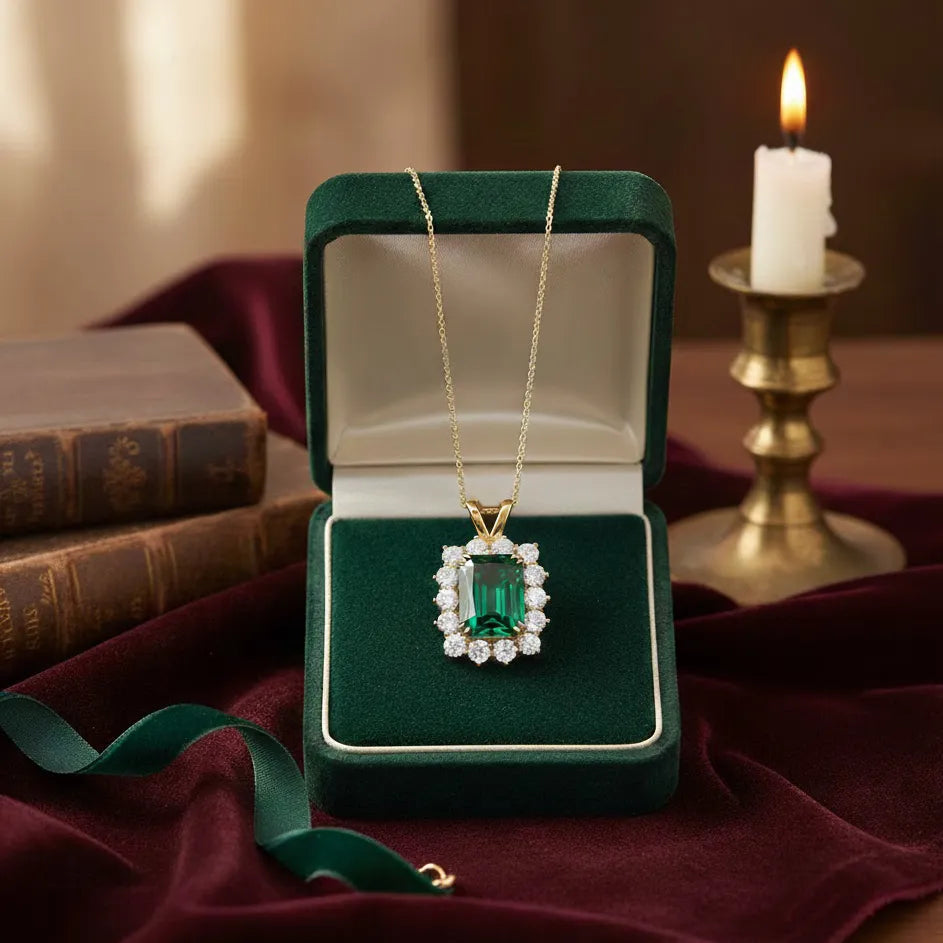
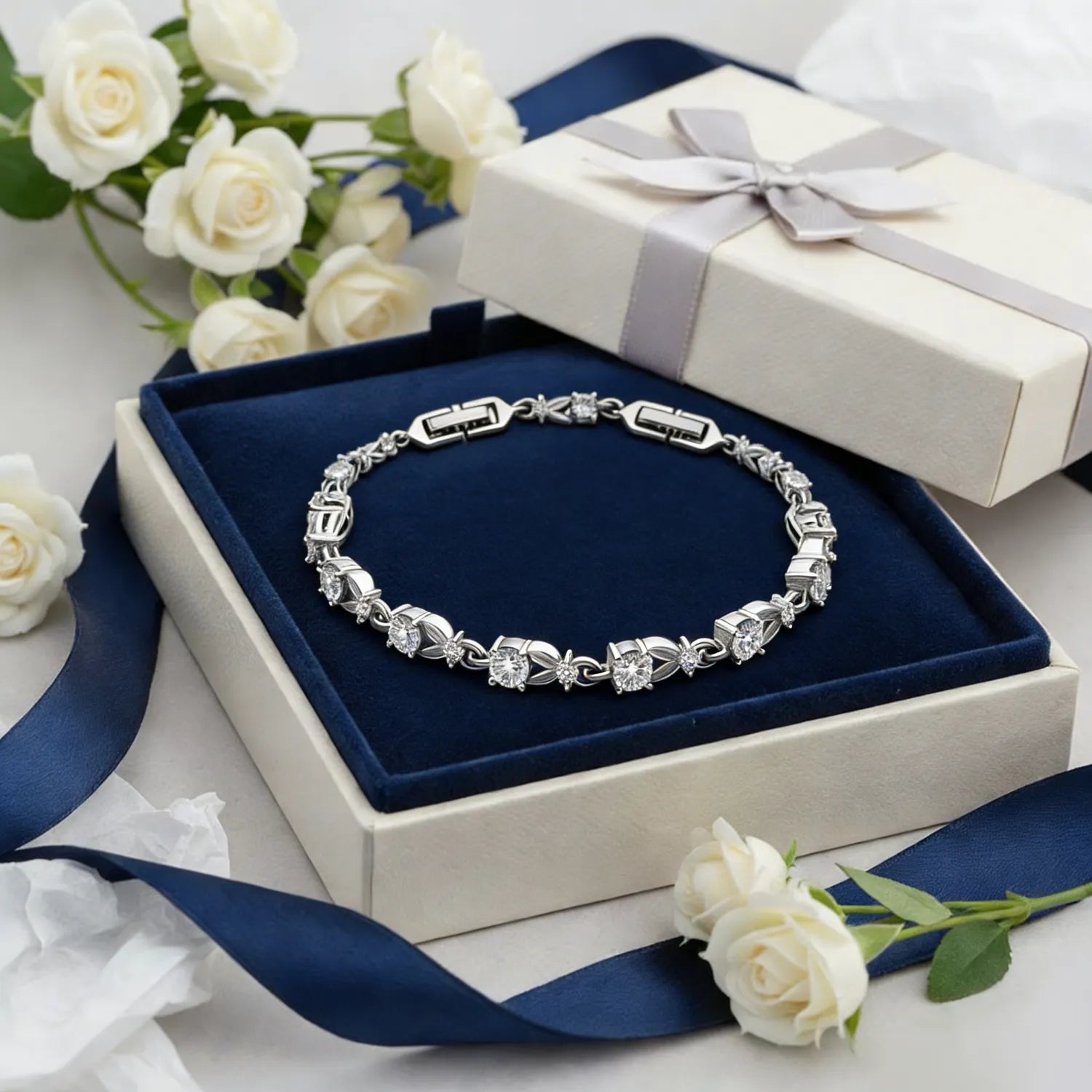

This guide will help you easily select the perfect lab-grown diamond.
So what truly defines perfection in a lab-grown diamond?
For today's consumers, the perfection of lab-grown diamonds lies in their visual impact. People want a pure white, flawless diamond that appears larger and more dazzling when worn. If a diamond is clear and elegant, easily standing out in everyday light or in front of a camera, then that is what consumers consider "perfect."

1.Mastering the 4Cs: The Core of Choosing Any Diamond
(1) Cut
Cut determines how much sparkle the diamond has, how much fire appears

Priority recommendation: Ideal / Excellent, limited budget: Very Good
If you’re choosing just one C to prioritize, pick Cut.
A Ideal / Excellent cut will give a diamond a clear, sharp, and highly contrasting brill
iance, a poorly cut
diamond often exhibits a "shadow/haze" effect in its center.
Cut can make a diamond appear larger, a Ideal / Excellent diamond can "fill the entire field of view," with a larger light boundary and is very bright, thus appearing larger.
The cut is the soul of a diamond, and it is also the key to making a diamond truly "look expensive, look high-end, and look more presentable".Most consumers care more about the appearance, so Ideal / Excellent Cut quickly became the mainstream choice.

(2) Color
Color is the "first impression" of a diamond. It is generally white, but some may appear yellow.
Priority recommendation: D-F (Colorless), limited budget: G-J (Near-colorless)
Most consumers prefer bright, white, and clean-looking diamonds, D-F grade diamonds are cleaner than G-H grade diamonds, especially under strong light and when viewed up close. D-F diamonds also appear brighter in photos and videos


Recent Trend: Most consumers will prefer D-F color grades, with demand growing significantly
. This is not only because they are flawless, but also because their "pure, bright" appearance gives them a luxurious feel.
Furthermore, jewelry trends still primarily favor 18K white gold and platinum. Among these two materials, D-F colors are considered the most perfect match, appearing cleaner, brighter, and with more concentrated fire.
Lab grown diamoands have made D–F color grades no longer a "luxury," allowing us to own the whitest and cleanest stones within a reasonable budget. Therefore, in recent years, D–F color grades have become the preferred range for consumers.

(3) Clarity
Clarity determines the overall aesthetic appeal.
It refers to how free a diamond is from internal flaws (like small crystals, clouds, or tiny fractures.) and external imperfections (like scratches or chips).
Priority recommendation:VVS, Sufficient budget: FL-IF, limited budget: VS
More and more consumers are choosing VVS-grade diamonds
because VVS diamonds have extremely small inclusions, almost invisible even under 10x magnification.
Diamonds below VVS grade have tiny, visible blemishes under natural light, but VVS diamonds are perfect.
Internal flaws affect a diamond's "visual clarity", like the brightness decreases, the surface becomes visibly dirty, the transparency deteriorates, and the diamond appears hazy.